
A real roof assessment, not a guess
You should get photos, a description of the failure point (flashing, penetration, valley, missing shingles), and an explanation of what is still sound.
Serving Bellevue, Washington & surrounding areas
Roofing Companies · Bellevue, WA
Compare bids, understand what you are being sold, and get a clear plan for repair or replacement that fits Bellevue homes and weather.
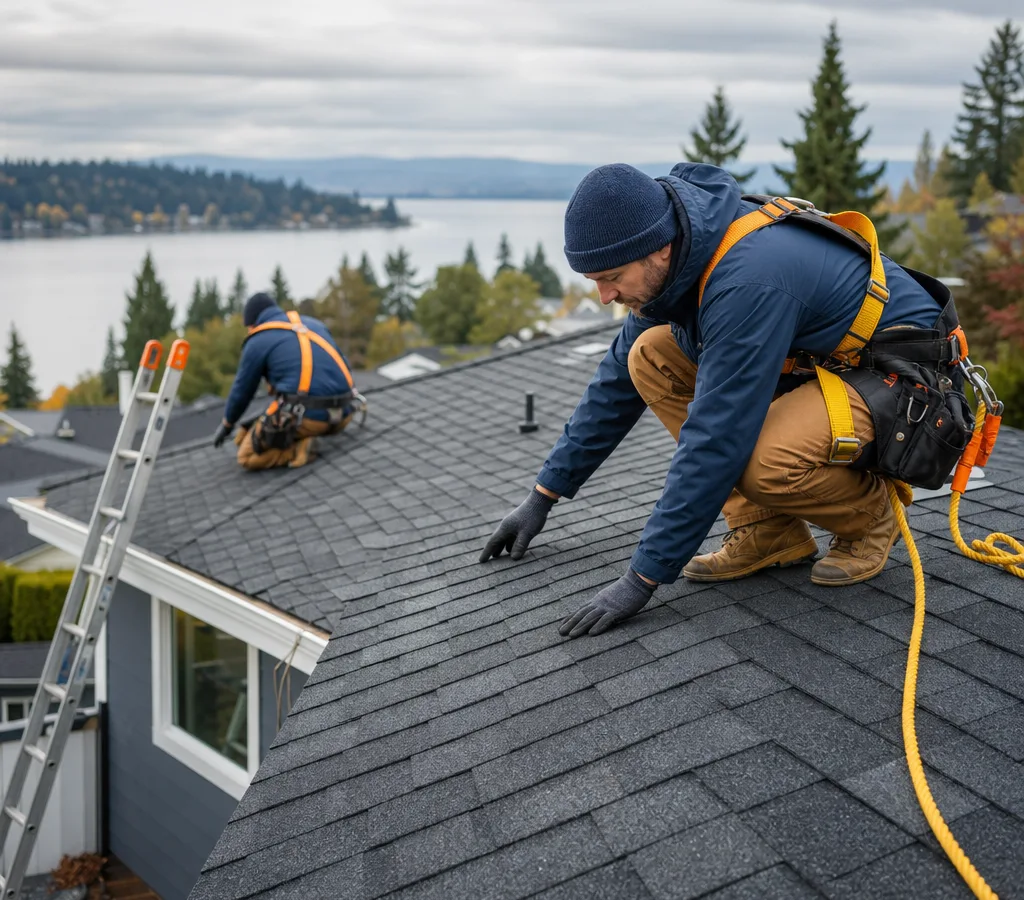
Searching for roofing companies Bellevue WA usually means you have one of three goals: confirm whether a leak is repairable, get a fair replacement bid, or find a company you can trust when the next storm hits. A good roofing company makes the scope plain, shows what is failing, and gives you a written plan that matches your roof type, your budget, and your timeline.
Bellevue roofs deal with long wet seasons and lots of shaded rooflines from mature trees. That combination can speed up moss growth, hide minor flashing issues until they become leaks, and make ventilation and underlayment choices matter more than the sales pitch. When you compare roofing companies in Bellevue, look for the ones who talk about details like step flashing, pipe boots, drip edge, valleys, and attic ventilation instead of only talking about shingle brand.
Roofing Bellevue helps local homeowners and property managers sort through those choices without the runaround. If you are also deciding which contractor is the right fit overall, start with a conversation about your roof's condition, access, and the decision you are actually making: targeted repair, partial replacement, or a full system.
Company Standards
You should get photos, a description of the failure point (flashing, penetration, valley, missing shingles), and an explanation of what is still sound.
Tear-off versus overlay, underlayment type, flashing details, ventilation plan, disposal, and what is excluded should be stated clearly so bids are apples-to-apples.
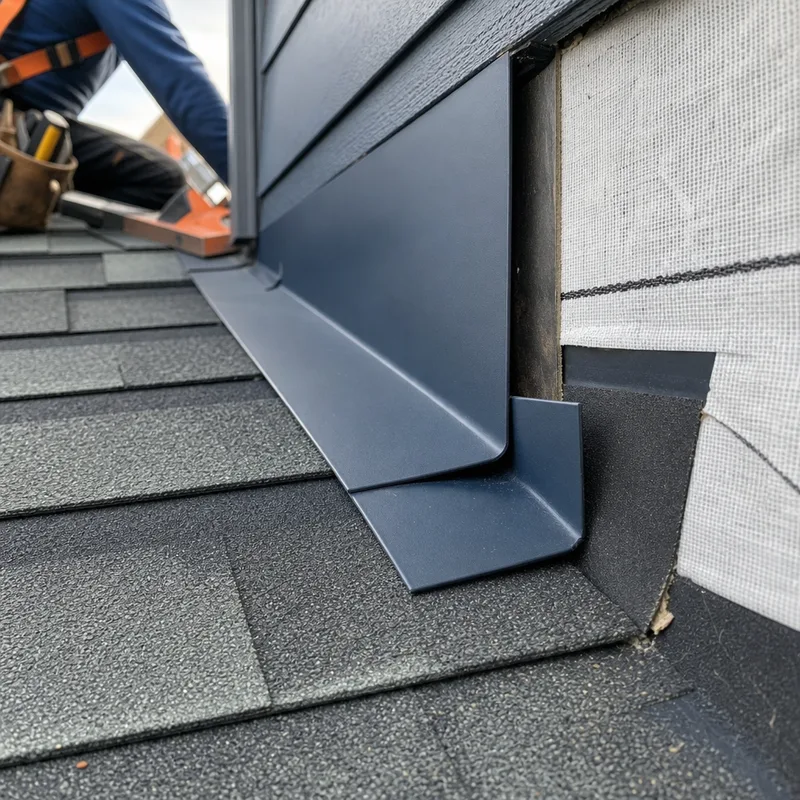
Roof leaks in the Seattle Eastside often trace back to penetrations and transitions. Proper flashing and sealing details matter more than a slightly thicker shingle.
Ask how landscaping is protected, how nails are collected, and where debris is staged so you do not end up with a driveway you cannot use for days.
For active leaks, you need a plan for temporary weatherproofing and a timeline for the permanent fix, especially during rainy stretches.
If you are filing a claim, the company should document damage, explain line items, and keep the focus on restoring the roof system, not inflating the story.
Bellevue Roof Conditions
Not every roof in Bellevue is the same, and small differences change the right approach.
In West Bellevue you will see more complex rooflines on larger homes, with multiple valleys, dormers, and skylights. Complexity increases labor and makes flashing workmanship the deciding factor.
In Crossroads and Eastgate, many homes have simpler roof geometry, but soffit and ridge ventilation can be inconsistent across remodels. A reputable roofer checks intake and exhaust balance so a new roof does not trap moisture.
In Newport Hills and Somerset, steep driveways and sloped lots can affect staging and safety setup. Access is a real cost driver, and it should be reflected in the plan, not hidden in vague pricing.
Across all of Bellevue, tree cover and shade can keep roof surfaces damp longer. That is why an inspection should include soft spots, flashing rust, granule loss, and moss-related lifting at shingle edges, not only what is visible from the ground.
Inspection To Completion
You describe symptoms (leak location, staining, missing shingles). For active leaks, the first priority is stopping water entry safely and documenting the area.
A proper inspection checks penetrations, valleys, chimney or wall flashings, drip edge, gutters at roof edges, and signs of ventilation or condensation problems.
You receive a scope that separates repairable items from end-of-life conditions and offers clear options: repair, partial work, or full replacement where justified.
The roofer should explain staging, protection of landscaping, debris handling, and what you need to move or protect. If weather is a factor, you should hear the contingency plan.
Expect attention to flashing and penetrations, not only field shingles. Ventilation adjustments and replacement of compromised decking are addressed as discovered and documented.
A final walkthrough should include photos of key details, cleanup confirmation, and the warranty information for workmanship and manufacturer materials where applicable.
Project Pricing
Most Bellevue-area roofing projects typically range from about $650 to $1,600 for a small repair, while a full roof replacement on an average single-family home often runs roughly $12,000 to $30,000+ depending on roof size, pitch, and materials. Steeper roofs, complex layouts, and multiple penetrations push pricing higher.
Your final cost depends on tear-off needs, decking condition, ventilation corrections, flashing scope, material choice (asphalt shingles versus metal), access for staging, and disposal. The exact price should be confirmed after an on-roof inspection and a written scope.
Customer Proof
“We got three bids and the only one that actually showed photos and explained why the leak was happening was Roofing Bellevue. The repair scope was specific, and the crew protected our landscaping and cleaned up thoroughly.”
“Their estimate broke out the ventilation and flashing work instead of burying it in a single line item. That made it easy to compare roofing companies in Bellevue and choose based on workmanship, not guesswork.”
“After a windstorm we needed an urgent patch and a plan for the permanent fix. The communication was straightforward and the timeline matched what they promised.”
Compare Every Estimate
Bring these questions to every estimate. Good contractors answer them directly and put the answers in writing.
Get Your Instant QuoteCommon Questions
Compare the written scope line-by-line, not the total. Differences usually come from tear-off versus overlay, the amount of flashing replacement, underlayment type and coverage, ventilation work, and whether disposal and decking repairs are included or left vague.
Many do, but availability depends on safety and scheduling. In wet conditions, the first step is often temporary weatherproofing to stop water entry, followed by a permanent repair or replacement once the roof surface is safe to work on.
Asphalt shingles are common, and you will also see metal roofing on some homes and additions. Hire a company that regularly works with your material type and can explain details like valley construction, flashing transitions, and the underlayment system that pairs with it.
Many replacements take 1 to 3 working days once work starts, but complex rooflines, decking repairs, and weather delays can extend the schedule. A good estimate includes a realistic start window and explains how rain affects the plan.
A thorough evaluation often includes attic ventilation and signs of moisture issues, because condensation problems can mimic roof leaks and can also shorten roof life. If access is available, ask what they look for and how ventilation will be verified.
It should state materials and quantities where practical, tear-off and disposal, underlayment type, flashing and penetration details, ventilation scope, decking repair allowances or rates, schedule expectations, warranty terms, and what is excluded so you can make a fair comparison.
Your Next Step
Tell us what you are seeing and what kind of roof you have. We will help you compare options, confirm whether a repair makes sense, and provide a written estimate you can use to make a confident decision in Bellevue.