
Inspection that focuses on failure points
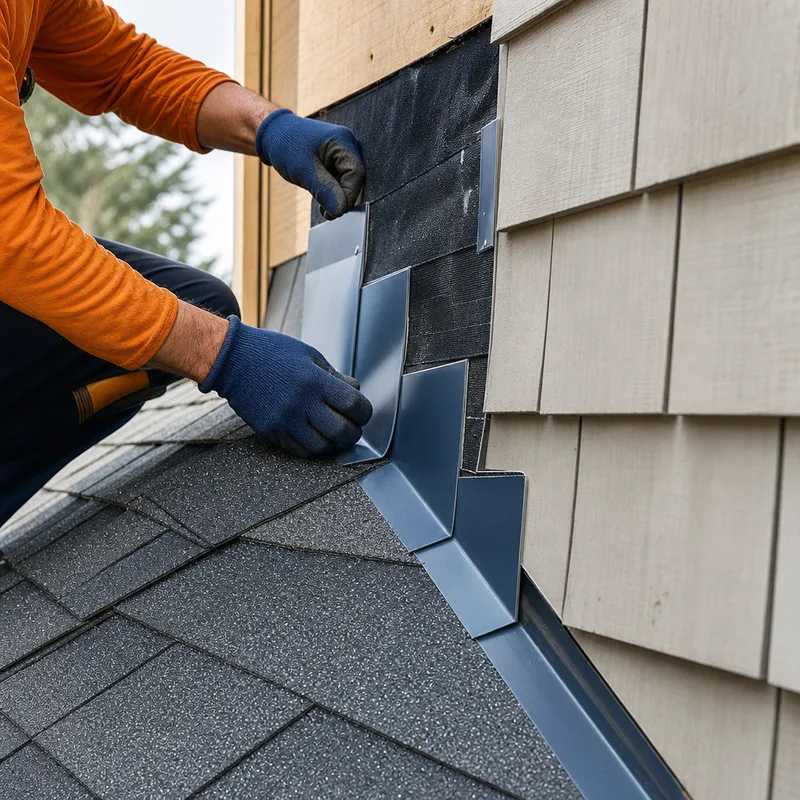
We look closely at valleys, roof-to-wall transitions, chimneys, skylights, and penetrations, because that is where most leak paths start.
Serving Bellevue, Washington & surrounding areas
Roof Replacement · Bellevue, WA
Get a clear inspection, a written scope, and a clean tear-off and install that protects your home through wet winters and wind events.
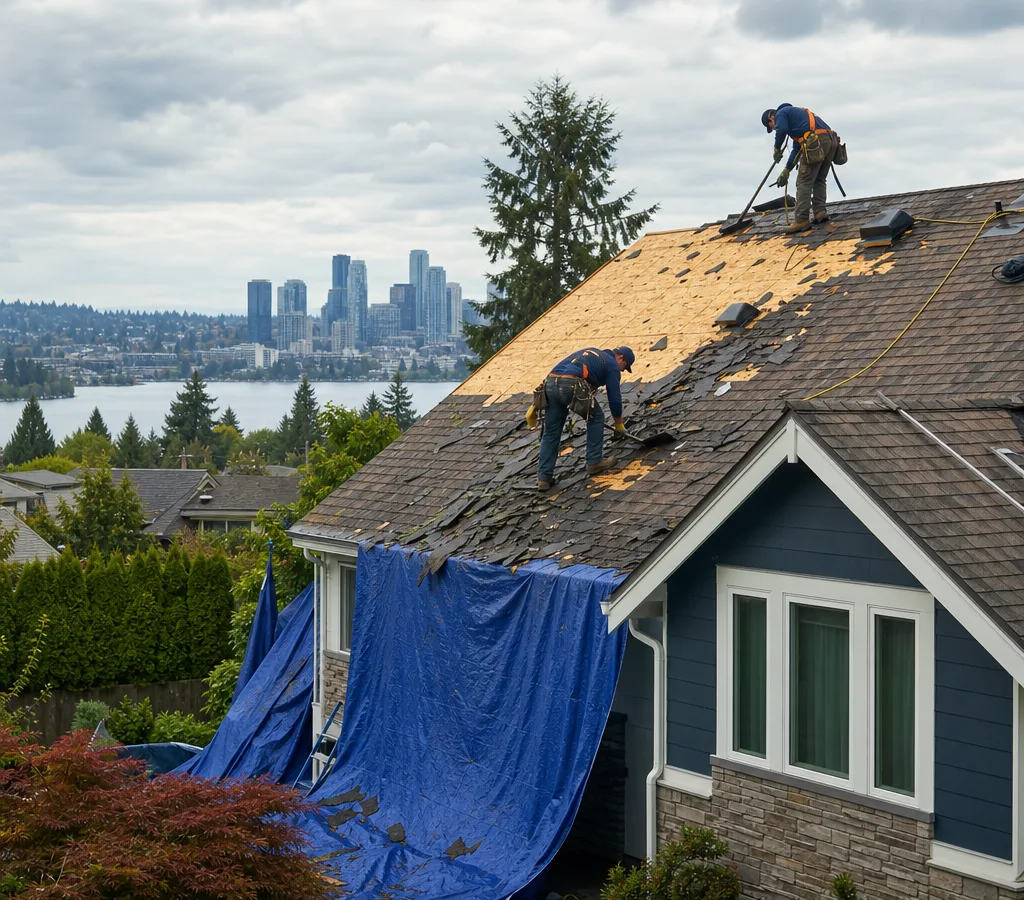
What a roof replacement in Bellevue should include
If you are searching for roof replacement Bellevue homeowners can rely on, the difference usually comes down to the details you cannot see once the shingles are on. A full replacement is more than new shingles. It is tear-off, deck review, underlayment, flashing, ventilation, and a clean install that manages water the way a roof is supposed to.
In Bellevue, long stretches of rain mean roof systems spend a lot of time saturated. Small defects around penetrations and transitions can show up as leaks months later, not the same day. A proper replacement scope includes:
Roofing Bellevue focuses on written scopes, tidy job sites, and scheduling that respects the reality of weather windows in the Puget Sound area.
Local Roof Conditions
Bellevue roofs see a mix of steady moisture, moss-friendly shade, and occasional wind storms. Those conditions influence both material choice and how the roof is detailed.
Neighborhood differences matter too. West Bellevue and parts of Somerset have many mature trees and shaded roof planes, so we pay close attention to ventilation balance, underlayment selection, and keeping valleys and transitions clean and well-flashed. In Bridle Trails, overhanging branches and debris can load valleys and gutters, so replacement planning often includes a careful look at drainage paths and roof-to-wall details. Newer areas such as parts of Factoria and Eastgate can have more modern roof geometries with multiple penetrations—bath fans, kitchen vents, and skylights—which makes flashing discipline and penetration layout critical.
If your home is near Lake Washington or on an exposed ridge, wind-driven rain can push water where a roof with weak flashing will fail first. The goal is simple: a roof assembly that sheds water fast, seals at transitions, and stays maintainable year after year.
If you are comparing contractors, start with Bellevue roofing that can explain the full system—not just the shingle—and put the details in writing.
Replacement Standards
We look closely at valleys, roof-to-wall transitions, chimneys, skylights, and penetrations, because that is where most leak paths start.
You get a clear outline of tear-off, protection, ventilation plan, flashing approach, and what happens if damaged decking is found.
Roofing over compromised sheathing can shorten the life of the new roof. We address deck issues discovered after tear-off.
Tarps, controlled debris handling, and magnetic sweeps help protect landscaping, driveways, and walkways throughout the replacement.
We walk through practical choices like asphalt architectural shingles and other common systems based on slope, exposure, and budget.
We plan replacements to limit open-roof time and protect the structure if conditions change.
Inspection To Completion
We review the roof surface, attic or ventilation conditions when accessible, and the edges and penetrations that typically drive the scope.
You receive a written scope that lists the underlayment approach, flashing plan, ventilation intent, and how change items like sheathing repair are handled.
We protect landscaping and access points, then remove existing roofing so the deck and critical transitions can be evaluated directly.
We repair decking where needed, install ice and water membrane at vulnerable areas, then apply underlayment per the roof design and manufacturer requirements.
We install step flashing, boots, and metal details, complete the ventilation components, then install the roofing system with proper fastening and alignment.
We confirm key details, tidy the site, and review what to watch for over the first few heavy rains after the replacement.
Project Pricing
Most roof replacement projects in Bellevue typically range from about $12,000 to $28,000 for an asphalt shingle roof, with smaller, simple roofs sometimes starting around $9,000 and larger or complex roofs running $35,000+.
Your price depends on roof size and pitch, number of layers to remove, access and staging, decking repairs, ventilation changes, and the amount of flashing work around walls, chimneys, skylights, and penetrations. The exact cost is confirmed after an on-site inspection and measurements.
Homeowner Experience
“We got a detailed scope before the crew showed up, and the work matched it. The flashing around our chimney and sidewall looked better than what we had before, and the cleanup was thorough.”
“They explained what they found after tear-off and showed photos of the decking that needed replacement. The schedule was realistic for the weather, and the yard was protected the whole time.”
Common Questions
Most roof replacements take 1 to 3 working days once the job starts, but Bellevue weather and roof complexity can extend that timeline. Multi-level roofs, steep pitches, and heavy flashing scope—chimneys, roof-to-wall sections, and skylights—add time, and rain can pause installation steps that require a dry deck.
Yes, replacing or properly reworking flashing is typically part of a correct roof replacement, especially at roof-to-wall intersections, chimneys, and penetrations. Reusing marginal flashing is a common reason new roofs leak later, so we address those details as part of the written scope.
Yes, roof replacement can be done during Bellevue's wet months with the right planning, but scheduling and protection become more important. The crew needs a realistic weather window, and the roof must be kept watertight at the end of each day with underlayment and proper temporary protection when required.
Decking is replaced only where it is damaged, soft, delaminated, or does not hold fasteners properly, and that can only be confirmed after tear-off. We explain how potential sheathing repairs are handled before the project starts so you know what triggers it and how it is priced.
The most common drivers are age-related shingle wear, recurring leaks at flashing points, widespread granule loss, or prior installation issues that keep showing up after repairs. In shaded areas with frequent moisture, persistent moss and debris buildup can also accelerate wear and expose weak transitions sooner.
A good proposal lists the tear-off plan, underlayment type and placement, flashing scope, ventilation plan, disposal, and how decking repairs are handled if found. If you only see a shingle brand and a lump-sum price, ask for the details that affect long-term leak risk in wet conditions.
Your Next Step
Tell Roofing Bellevue what you are seeing—leaks, aging shingles, moss, or storm damage—and we will inspect the roof, explain your options, and provide a written scope with a realistic schedule for Bellevue conditions.